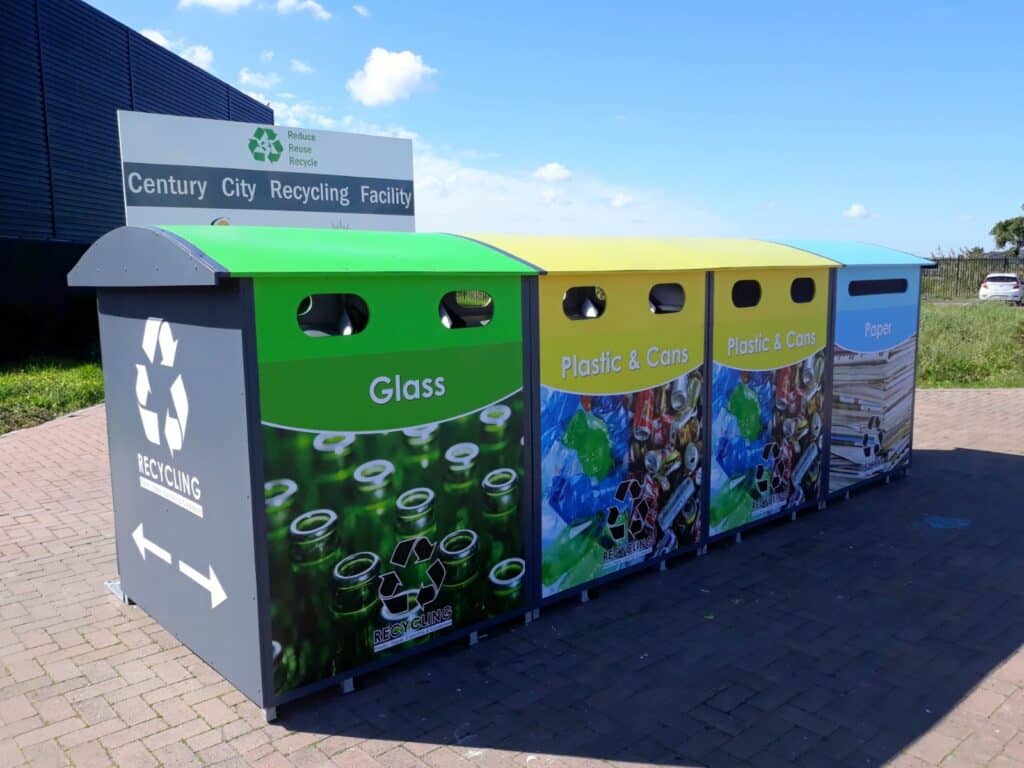
Maintaining a clean, safe and beautiful environment comes with an often unseen reality: waste. Every swept pathway, every emptied bin, and every carefully maintained green space generates a byproduct that needs to be managed. The real work happens behind the scenes, ensuring that this waste is handled not only efficiently, but responsibly.
Every year on 30 March, the world pauses to reflect on how we produce, consume and discard. Marked globally as the International Day of Zero Waste and led by the United Nations, this day is a reminder that waste is not just an environmental issue, but a shared responsibility and an opportunity for change.
At Intaka Island and across Century City, this message resonates deeply. Here, sustainability is not a once-off initiative or a box to tick. It is woven into the daily operations, the landscape and the long-term vision for the precinct.
General Waste vs Landscaping Waste
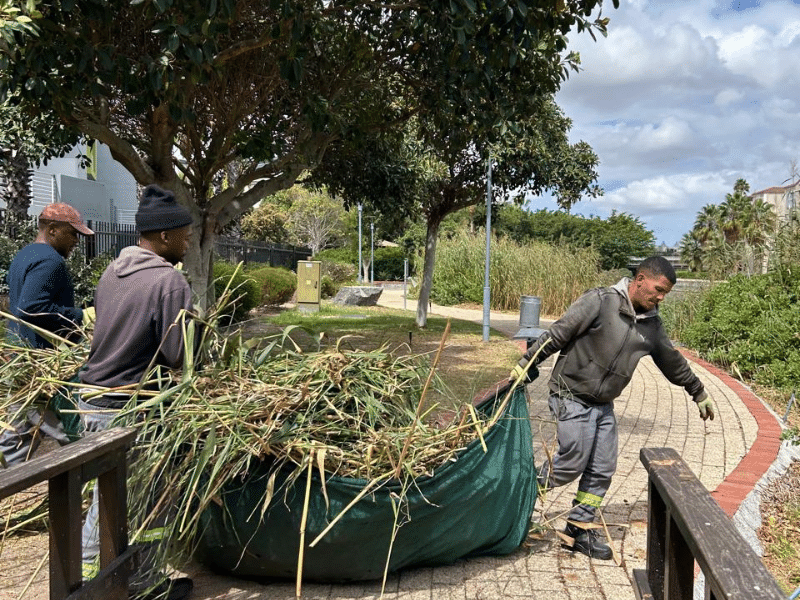
Much of the waste generated in Century City falls into two broad categories. The first is general waste. The everyday items left behind in public spaces, from packaging and bottles to paper and litter. The second, and perhaps more surprising, is landscaping waste. With expansive green areas and over 58,000 square metres of lawns maintained on a regular cycle, grass cuttings, pruned branches and aquatic plants from Intaka Island’s waterways make up a significant portion of the total waste generated.
This is where the idea of a circular economy becomes more than just a concept. Instead of viewing waste as something to discard, it becomes something to reimagine. Organic landscaping waste, for example, is not simply removed and forgotten. It is composted and, in many cases, returned to the soil to nourish the very spaces it came from. Tree cuttings are chipped and reused as mulch, helping the soil retain moisture and reducing the need for excessive watering. In this way, waste is not the end of a process – it is part of a continuous cycle.

Waste Management Starts with Us
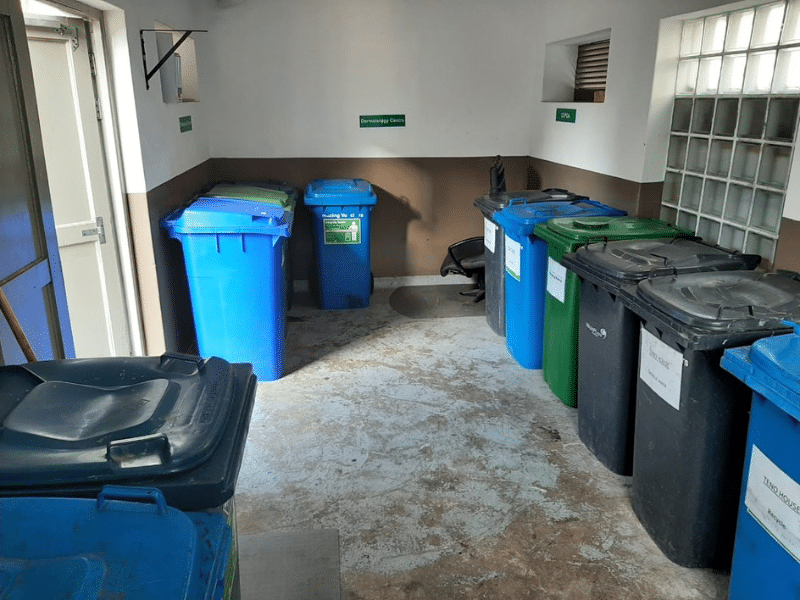
The same thinking applies to general waste. Across the precinct, teams work daily to collect and transport waste to a central transfer area, where it is sorted and directed either toward recycling streams or, where unavoidable, to landfill. A growing focus is being placed on sorting waste at the source, separating recyclables from general waste as early as possible. This simple step has a powerful impact, preventing valuable materials from being lost and improving overall recycling outcomes.
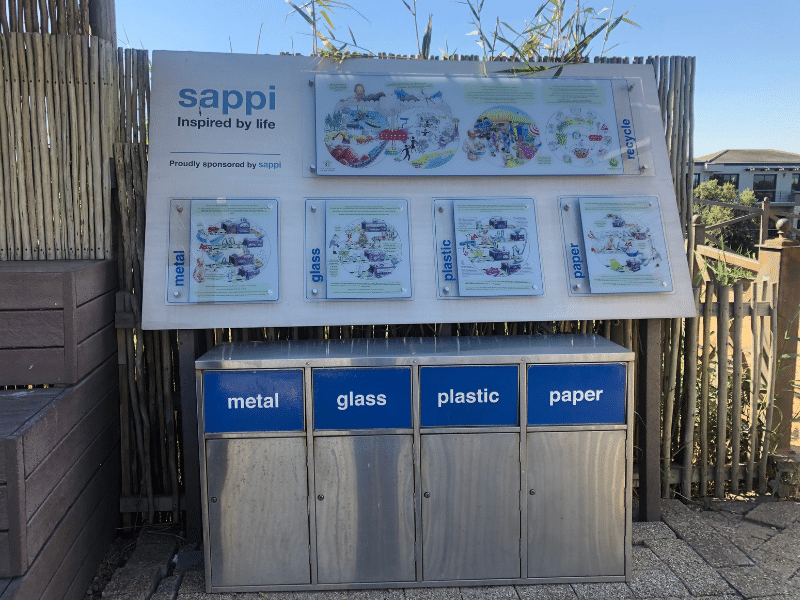
But systems alone are not enough. The success of any waste management effort depends on people. Residents, businesses, visitors, and tenants all play a role in shaping the waste footprint of the precinct. Facilities such as recycling drop-off points make it easier for individuals to participate, but lasting change comes from awareness and everyday choices.
That’s why education forms such a critical part of the journey. At Intaka Island, environmental learning is embedded into school programmes and outreach initiatives, helping younger generations understand the importance of waste reduction and responsible consumption. These lessons extend beyond the classroom, encouraging behaviours that ripple outward into homes and communities.
Rethinking Consumption, Reducing Waste
While this year’s global theme places a spotlight on food, the underlying message remains universal: what we consume, and how we dispose of it, matters. Even small decisions like refusing single-use plastics, choosing durable products, or taking the time to recycle correctly can collectively lead to meaningful change.
Behind the scenes, there is also a strong focus on data and continuous improvement. By tracking how much waste is generated and how much is diverted from landfill, Century City is able to measure its impact and identify opportunities to do better. The ultimate goal is ambitious but necessary: to significantly reduce landfill waste and move closer to a truly circular system.
Vision-Led, Action-Driven Change
Importantly, waste management within the precinct is a shared effort. While Century City manages waste generated in public and common areas, individual buildings, businesses, and residential developments are responsible for their own waste streams. Encouragingly, many are already stepping up, implementing recycling programmes and exploring more sustainable practices.
As we mark the International Day of Zero Waste, Intaka Island and Century City invite everyone, from residents to businesses and visitors, to be part of this shift. Because when we change the way we think about waste, we begin to change the future we are building.